


Let’s be real for a minute. We all love the idea of having a dedicated guest room. You picture it: fresh linens, a chocolate on the pillow, maybe a carafe of water on a pristine nightstand. It’s the stuff of hospitality dreams. But then reality hits, and you look at the actual room you have available. It’s usually the smallest room in the house—the one that barely fits a desk, let alone a bed for two humans to sleep comfortably.
I remember staring at my first “guest room” in my starter apartment. It was basically a glorified closet with a window. I tried to shove a queen-sized bed in there and realized that if anyone actually slept in it, they’d have to army crawl to get out. It was a disaster. I felt like a terrible host before I’d even sent out an invite.
But here’s the thing I’ve learned after years of obsessing over floor plans and furniture tetris: square footage is just a number. The feel of a room comes down to flow. You don’t need a ballroom to make your guests feel welcome; you just need to be a little sneaky with your layout. I warn you, some of these ideas might require you to rethink what a “bedroom” is supposed to look like. But if you’re ready to turn that cramped box into a cozy sanctuary, let’s dive into layouts that prove size truly doesn’t matter.
1. The Murphy Bed “Wall Vanisher”
If you use your guest room for literally anything else—an office, a yoga studio, a place to hide from your kids—the Murphy bed is non-negotiable. It used to be that Murphy beds were clunky, dangerous contraptions that looked like bad 90s sitcom props. Not anymore.
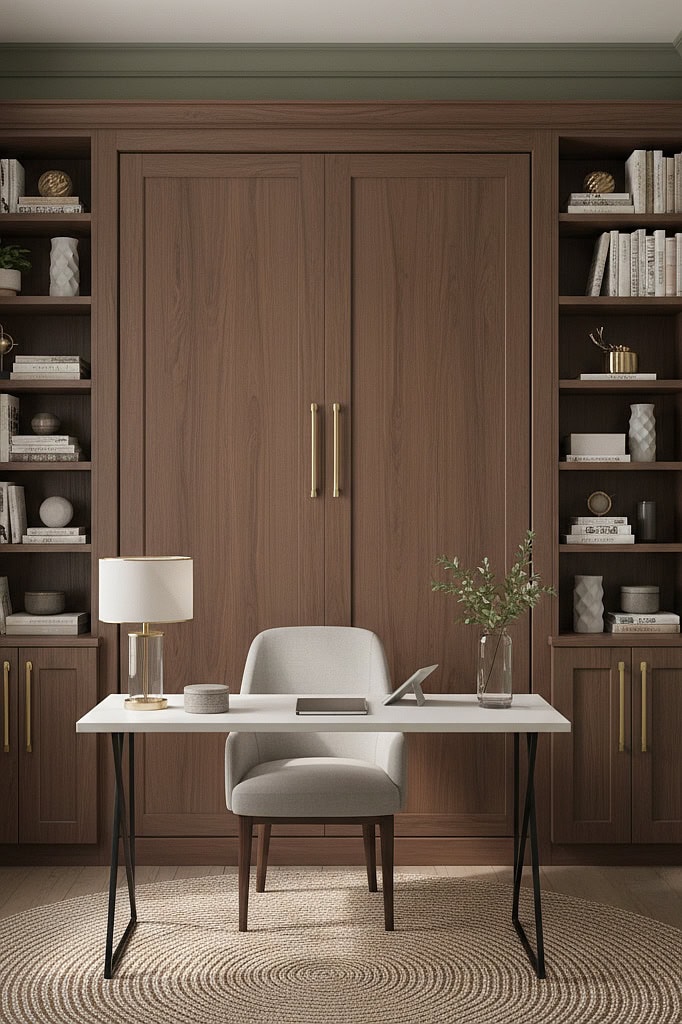
The Layout:
Install the Murphy bed on the longest uninterrupted wall. When it’s up, it looks like a sleek cabinet or wardrobe. Flank it with tall, narrow bookcases for vertical storage.
- Day Mode: The bed is up. Place a lightweight desk or a couple of accent chairs in the center of the room.
- Night Mode: Move the light furniture to the corners and pull the bed down.
- Why it works: It reclaims 100% of your floor space during the day. It’s the ultimate magic trick for multi-purpose rooms.
2. The Corner Anchor
Most of us are taught to center the bed on the wall. It’s symmetrical, it’s traditional, and in a tiny room, it’s a total waste of space. By centering the bed, you create two uselessly narrow alleys on either side where guests inevitably stub their toes.
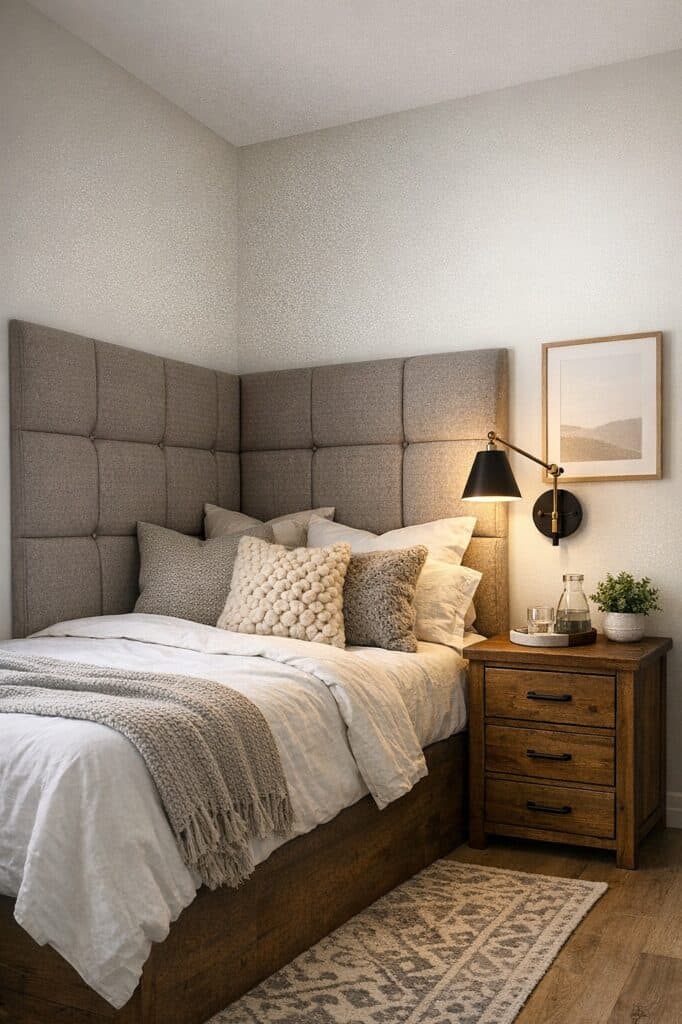
The Layout:
Push the bed snugly into the corner farthest from the door.
- The Trick: Since you lose one side of access, use the wall side for cozy aesthetic touches like upholstered wall panels or a mound of plush pillows to create a daybed vibe.
- Furniture: Place a single, substantial nightstand on the open side. Use a wall-mounted sconce instead of a table lamp to keep the surface clear for their phone and water.
3. The “Clffice” Conversion (Closet-Office-Guest)
I love a good portmanteau, and the “Clffice” is my favorite. In tiny rooms, closets often eat up valuable footprint with swinging doors.
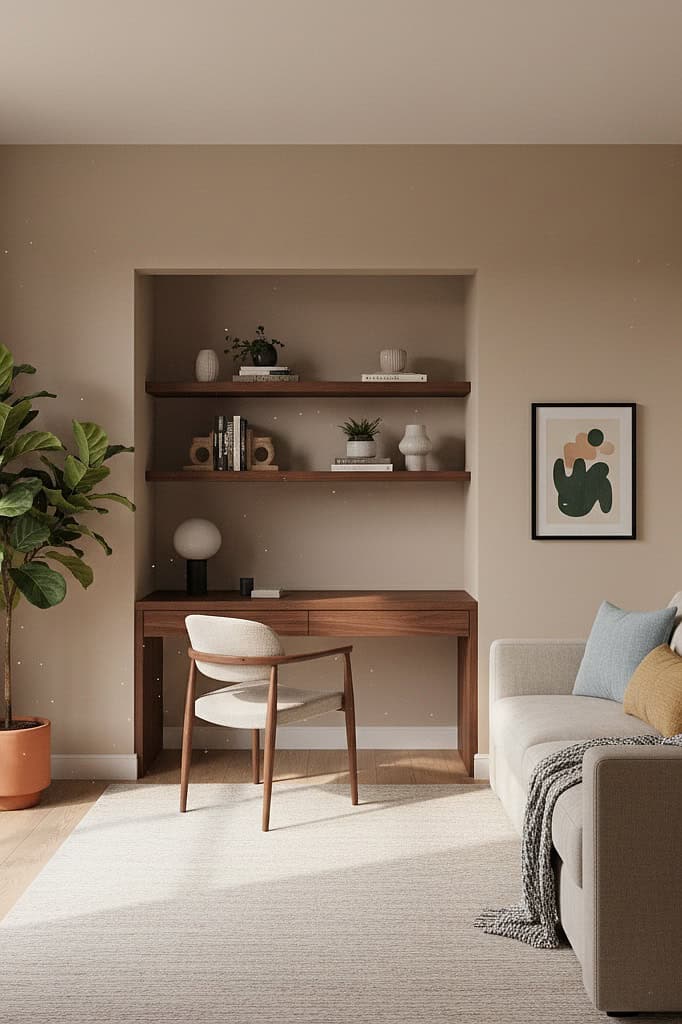
The Layout:
Remove the closet doors entirely.
- The Transformation: Build a desk inside the closet alcove with shelves above. This becomes the workspace.
- The Bed: Place a sofa bed or daybed on the opposite wall.
- Why it works: You aren’t fighting for space between a desk and a bed. The “office” is tucked away, leaving the main floor open for the sleeping area. It feels intentional, not cluttered.
4. The Lofted Logic
Okay, this brings me back to college dorms, but hear me out—adult lofts are chic now. If you are blessed with high ceilings but cursed with zero floor space, you have to go up.
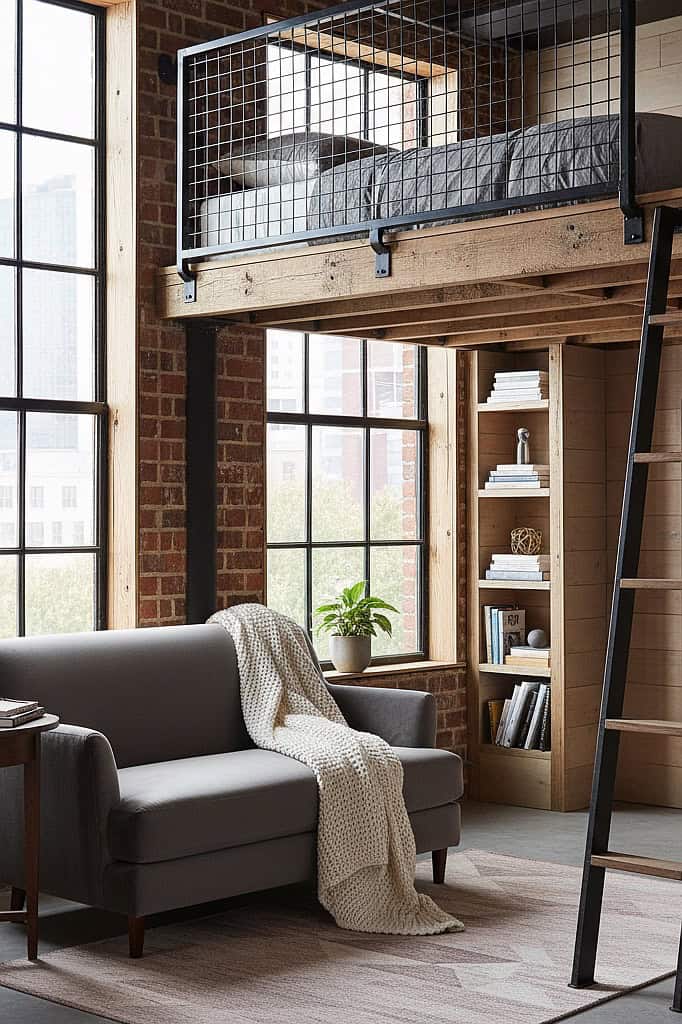
The Layout:
Elevate a full or queen bed on a sturdy, stylish loft platform.
- Underneath: This is prime real estate. Create a cozy reading nook with a loveseat, or fit a dresser and a small writing desk underneath.
- The Vibe: Use warm woods and metal railings to give it an industrial, urban studio look rather than “bunk bed.” It separates sleeping from living, making the room feel twice as big.
5. The Daybed Nook with Trundle
Sometimes you need to sleep two people, but a king or queen bed dominates the room 24/7. The trundle is the unsung hero of the guest room world.
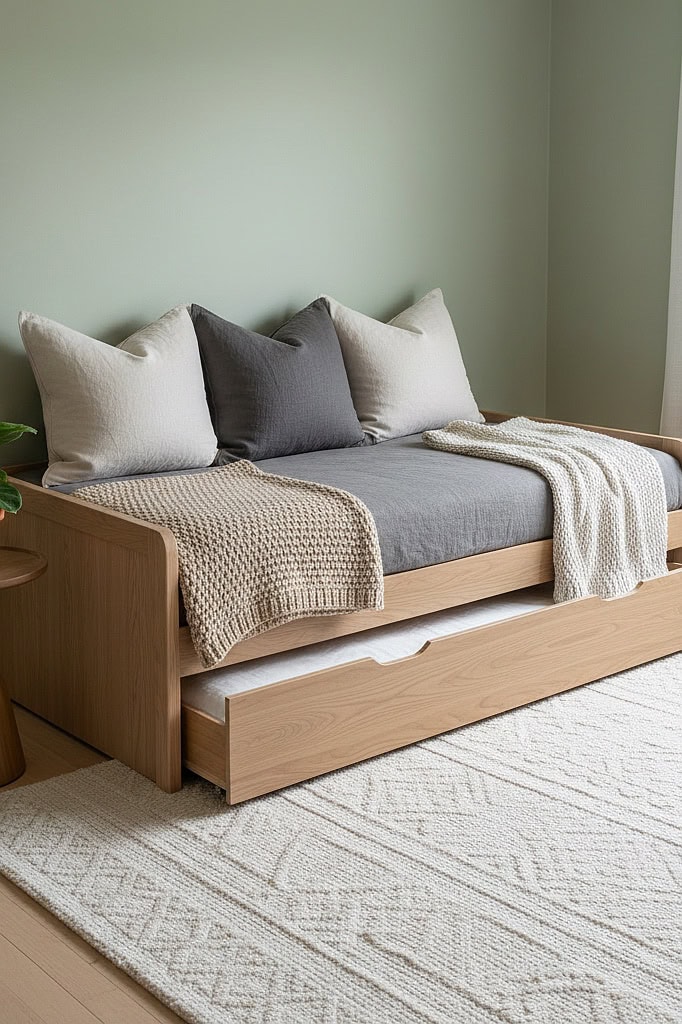
The Layout:
Place a high-quality daybed (styled like a deep sofa) against the long wall.
- The Secret: Ensure there is enough clearance in the center of the room to pull out the trundle drawer completely.
- Styling: Pile the daybed with euro shams and chunky knit throws. When not in use, it’s a reading spot. When guests arrive, you have two twin beds ready to go without the permanent footprint of a king.
6. The Floating Furniture Float
Legs on furniture are visual clutter in a tiny room. They break up the floor plane and make the space feel busy.
The Layout:
Anchor the bed (preferably a simple platform with hidden legs) on the main wall.
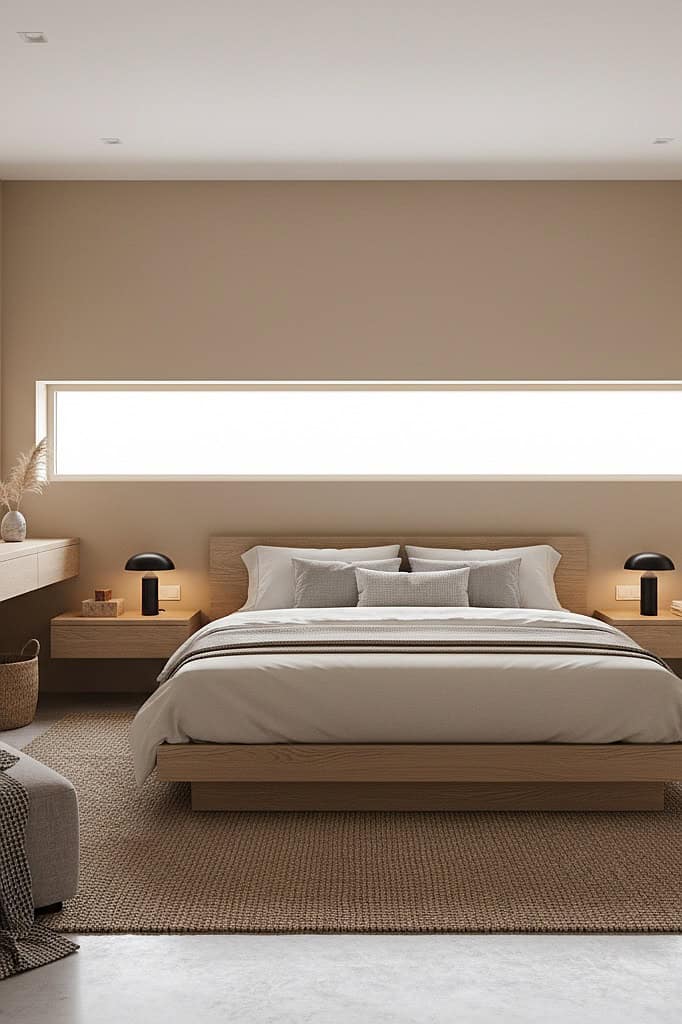
- The Hack: Use wall-mounted floating shelves as nightstands.
- The Storage: Install a floating console unit under the window or TV.
- Why it works: Seeing the floor stretch all the way to the wall tricks the brain into thinking the room is larger than it is. It’s a simple optical illusion that feels incredibly modern.
7. The Window Seat Sleeper
If you have a bay window or an architectural alcove, you are sitting on a goldmine. I’ve seen people ignore these spaces, and it drives me crazy!
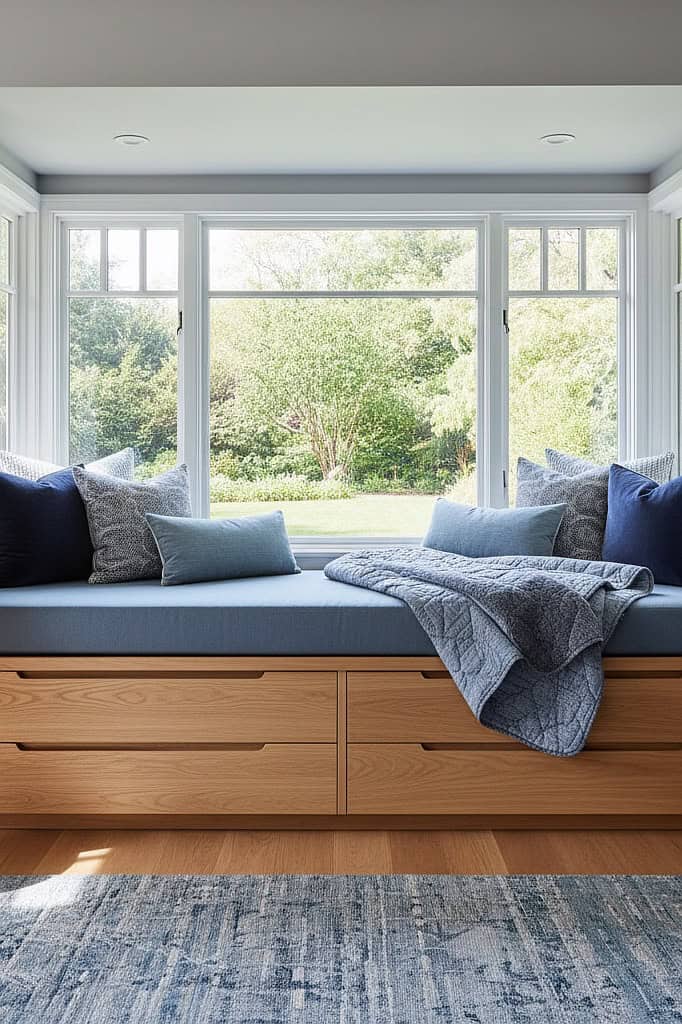
The Layout:
Build a custom bench seat into the window alcove that is wide enough to serve as a sleeping surface (at least 30-35 inches deep).
- The Function: It’s a sunny reading spot by day. With high-density foam cushions and bedding, it becomes a cozy guest bed by night.
- Bonus: Add drawers underneath the bench for guest linens. It’s seamless, built-in, and requires zero extra furniture.
8. The Mirror Illusion Layout
You can’t add square footage, but you can lie about it. Mirrors are the oldest trick in the book because they work.
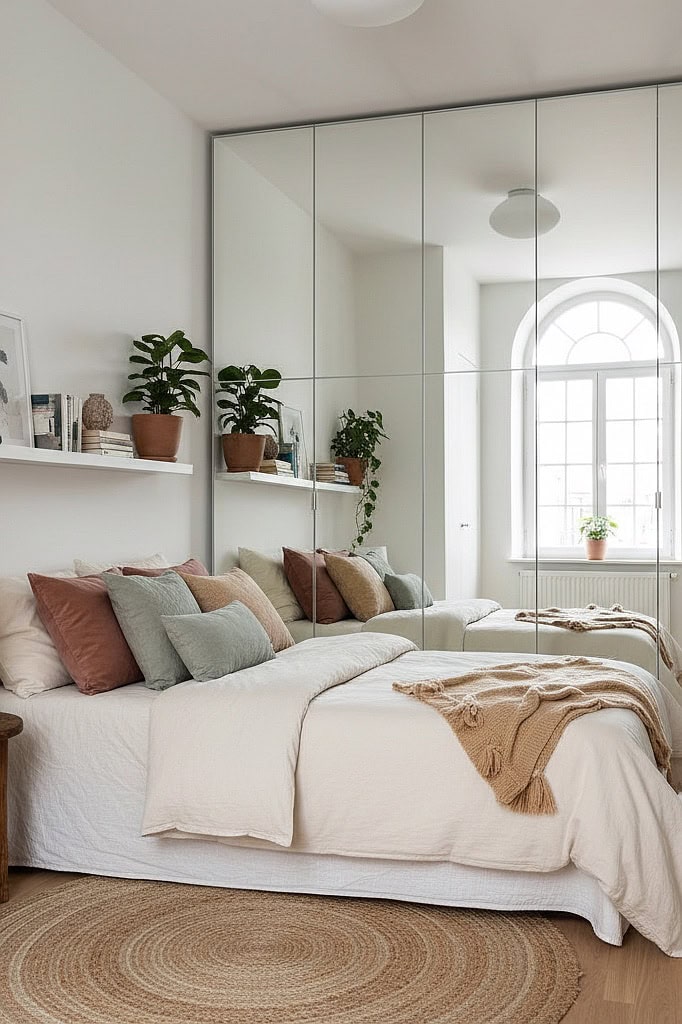
The Layout:
Position the bed on one wall, and cover the entire opposite wall or closet doors with floor-to-ceiling mirrors.
- The Effect: It instantly doubles the visual depth of the room.
- Placement: Ensure the mirror reflects a window if possible. Bouncing natural light around is key to avoiding that “cave” feeling tiny rooms often have.
9. The Headboard Storage Wall
In a small room, a dresser is often the enemy. It sticks out, blocks flow, and encourages clutter.
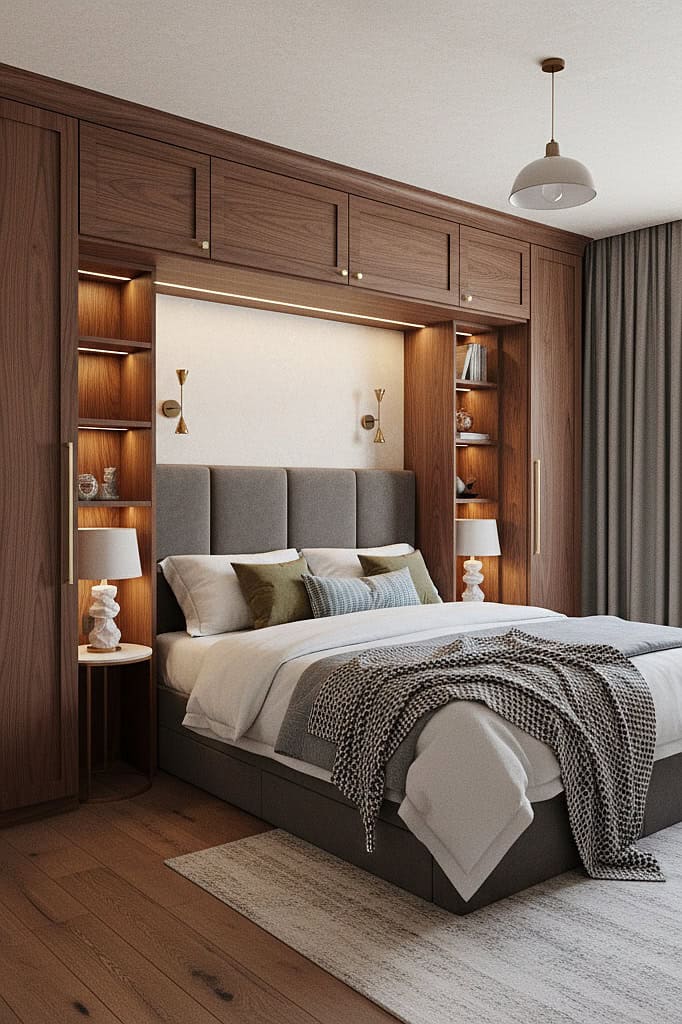
The Layout:
Pull the bed forward about 12 inches from the wall (or build a false wall).
- The Build: Create a bridge of cabinetry up and over the head of the bed.
- The Result: You get two “wardrobe” towers on either side and overhead storage for blankets. The niche in the middle acts as the headboard and nightstand shelf. You’ve eliminated the need for a separate dresser entirely.
10. The Vertical Twin Split
If you frequently host friends who aren’t a couple, sharing a small double bed can be… intimate. Two twins are often better, but they eat up space.
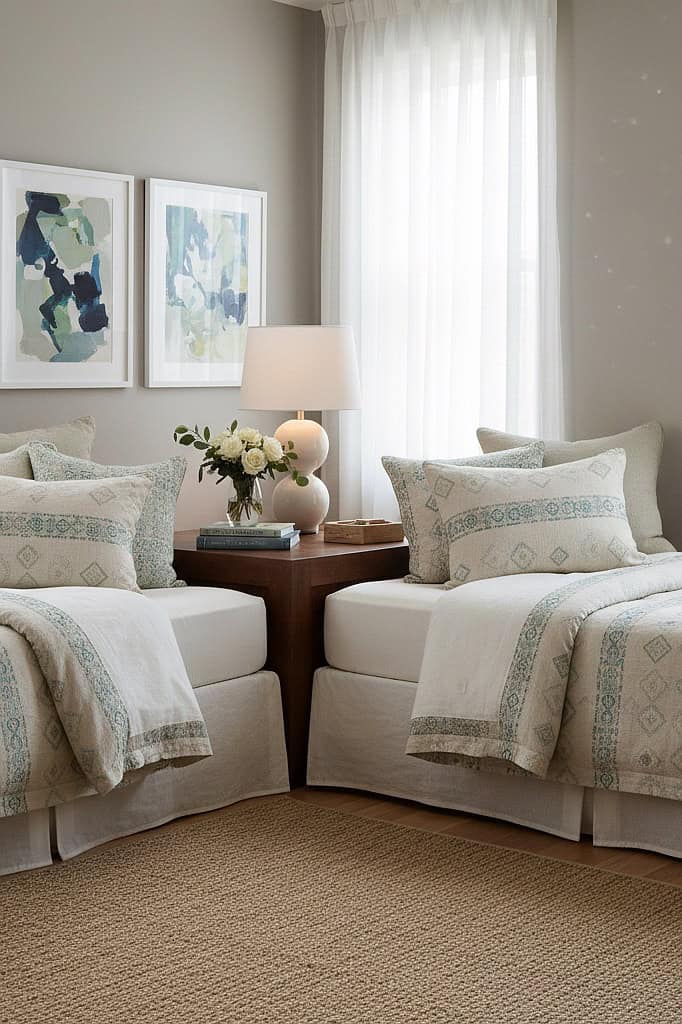
The Layout:
Place two twin beds in an “L” shape configuration in the corner.
- The Connection: Put a square corner table between the head of one bed and the side of the other to bridge them.
- Why it works: It opens up the center of the floor for walking, unlike placing them parallel with a tiny aisle in between. It feels like a cozy lounge setup.
11. The “Open Closet” Rack
A bulky wardrobe in a tiny room is a monolith. It absorbs light and space.
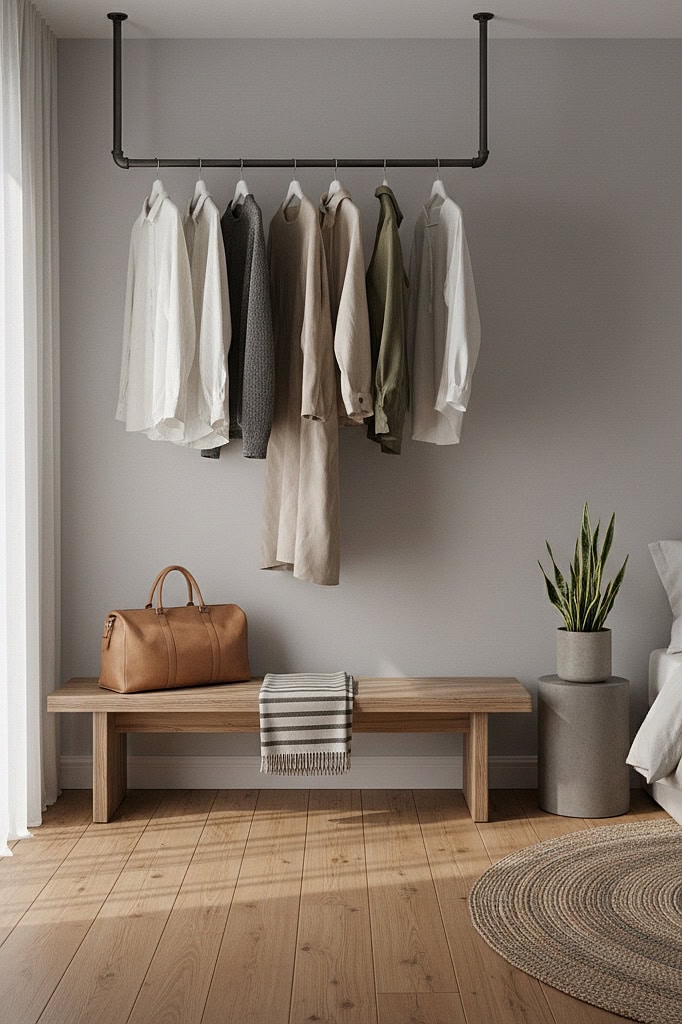
The Layout:
Skip the wardrobe. Instead, install a sleek, industrial pipe clothing rack hanging from the ceiling or mounted high on the wall.
- The Look: It turns your guests’ clothes into part of the decor.
- The Benefit: It keeps the floor completely clear for luggage. Slide a low bench underneath for their suitcase, and you’ve created a functional “unpacking station” that takes up zero visual weight.
12. The Symmetry of Sconces
This is more about visual layout than furniture placement, but it makes or breaks a tiny room. Table lamps take up precious surface area on tiny nightstands.
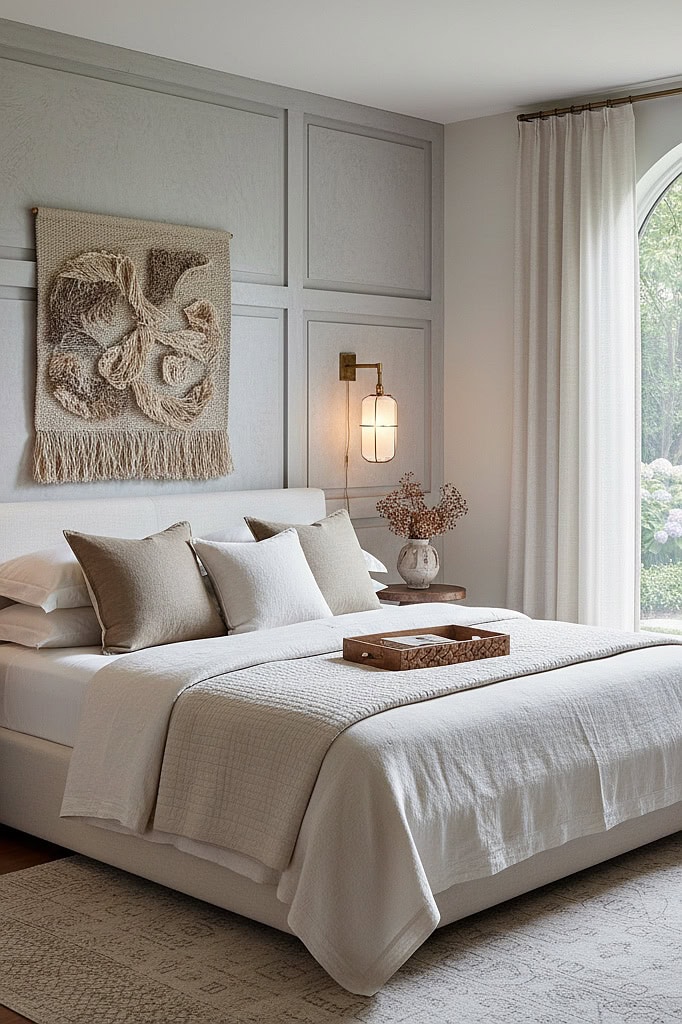
The Layout:
Center the bed on the wall.
- The Lighting: Hardwire (or use plug-in) sconces on the wall above where the nightstands would be.
- The Surface: Use tiny, round pedestal tables or even stacked vintage suitcases as nightstands. Since they don’t need to hold a lamp, they can be much smaller—even 10 inches wide—saving you valuable inches on either side of the bed.
Transforming a tiny spare room is less about magical renovation and more about ruthless editing. It’s about looking at a standard bedroom set and saying, “No, I don’t need that massive dresser.” It’s about realizing that a guest needs a comfortable mattress and a place to charge their phone more than they need three feet of walking space on every side of the bed.
So, don’t be discouraged by your floor plan. Embrace the cozy. Make it a jewel box. I promise, if the bed is soft and the coffee is hot, your guests won’t even notice the square footage. Now, go grab a tape measure and start plotting!


